Active Learning
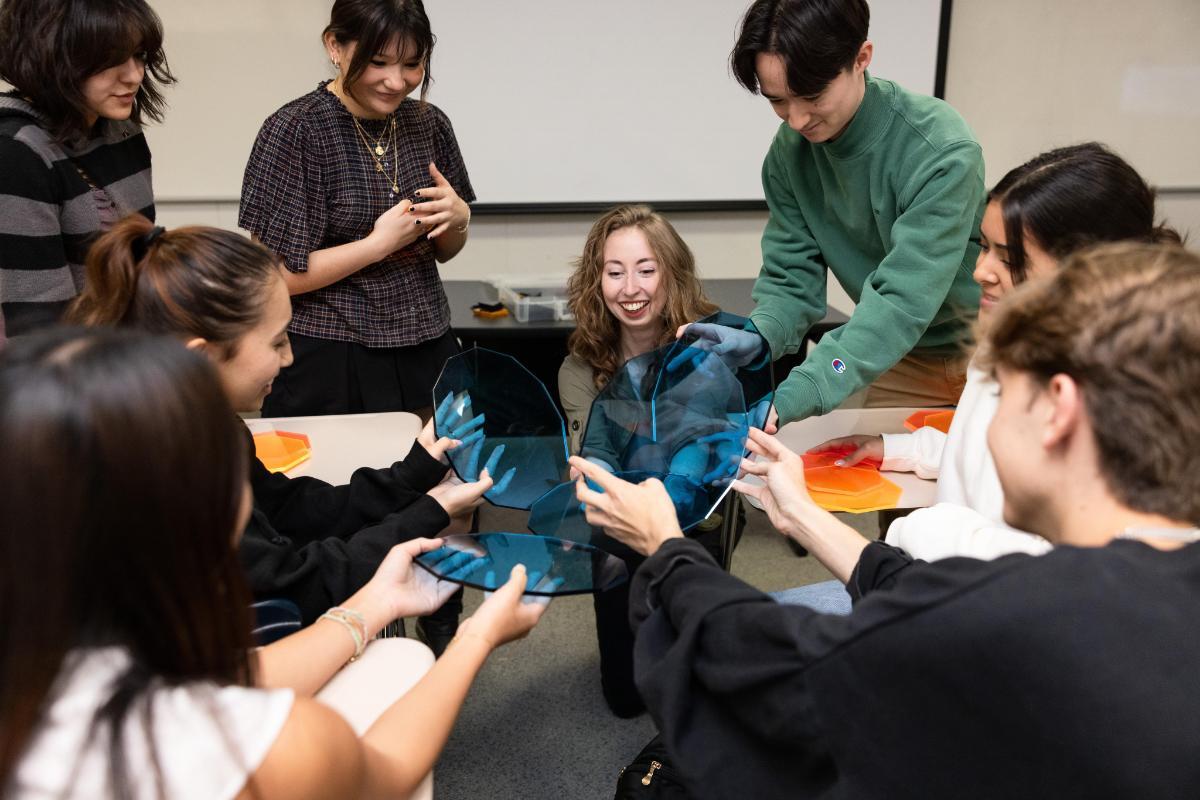
If you are considering additional ways to get your students involved in the learning, Active Learning methods are a great place to begin. Active Learning encompasses a wide range of activities that foster learning through attentive involvement. Class discussions, group break-outs, and quick-writes are a few examples from a variety of practices that may or may not require the use of technology. Leveraging convertible furniture and adapting a learning environment on the fly to suit the activity is also Active Learning.
Explore the information below and connect with the Instructional Technology Team for ways to incorporate Active Learning into your teaching.
Activities for Any Modality

In-Person Activities
In-person meetings are perfect opportunities to engage students with low-tech or no-tech activities. Consider these tried and true practices during in-class sessions:
- Think-Pair-Share
- Role Play and Improv
- Live Polling
- Live Peer Review
- Low Stakes Assessments
- Gamification and Competition
- Poster Crawls
- Production Sprint
- Concept Mapping
- One-Minute Paper
- The Socratic Seminar
- The Muddiest Point
- The Flipped Model

Asynchronous Activities
Time outside of class provides opportunities for engaging learning activities and critical thinking. Instructional Technologists can help you plan to use the following examples:
- Discussion Forums
- Social Annotation
- Collaborative Crowdsourcing
- Diagram Design
- Interactive Quizzing
- In-Video Prompting
- Investigative Sleuthing
- Lab Journal
- Learning Portfolio
- Case Study Analysis
- One-Take Explainer Video
Active Learning Spaces

Fully Equipped Classrooms
Non-traditional classrooms offer opportunities for innovative instruction. While many of LMU's newer classrooms have flexible furniture, several specially designed classrooms, known as Active Learning Spaces, are equipped with additional features, such as study pods, multiple monitors, multiple cameras, digital podium consoles, and more. See the list below:
- Rm. 330, Bruce Featherston Life Sciences Building
- Rm. 210, Foley Building
- Rm. 2218, University Hall
- Rm. 3222, University Hall
- Rm. 040, Charles Von der Ahe building
- Rm. 324, William H. Hannon Library