Collaborative Learning
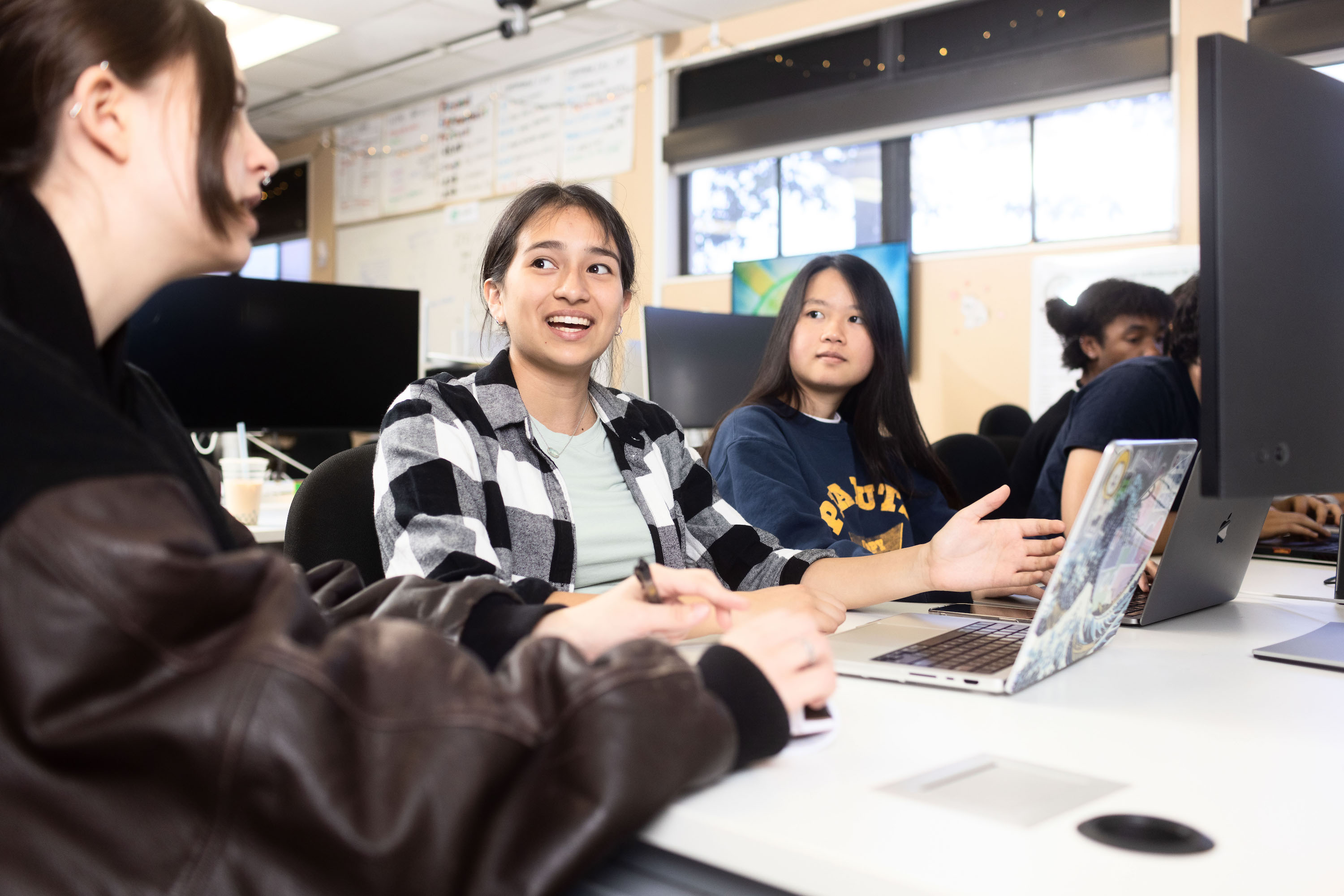
- Connect with each other while navigating matters of trust, responsibility, and relationship-building.
- Gain perspectives from one another, along with the knowledge they gain about the subject matter.
- Develop real-world skills of teamwork and management, negotiation and networking, organizing and responsibility.
Peer-to-Peer Feedback
Peer assessment lets students share perspectives, practice constructive criticism, and build trust. Use Peerceptiv to design assignments around group projects, oral presentations, peer review, and anonymous peer evaluation.
Get StartedSocial Annotation
Let students tackle assigned reading together. Perusall is a group study tool that lets them highlight, comment, and annotate documents collectively, and learn more about a topic by crowd-sourcing than they could by reading alone.
Get StartedVerbal Feedback
Do you need your students to critique media? Voicethread lets them add vocal annotations over any video-based (or image-based) learning content. This method is great for collaborating on (or debating about) media.
Get StartedDiscussion Boards
Threaded conversations let students share critiques, debate issues, and share knowledge. Brightspace's Discussion Boards help learners hear from a more diverse mix of perspectives than they may get during class time.
Get Started